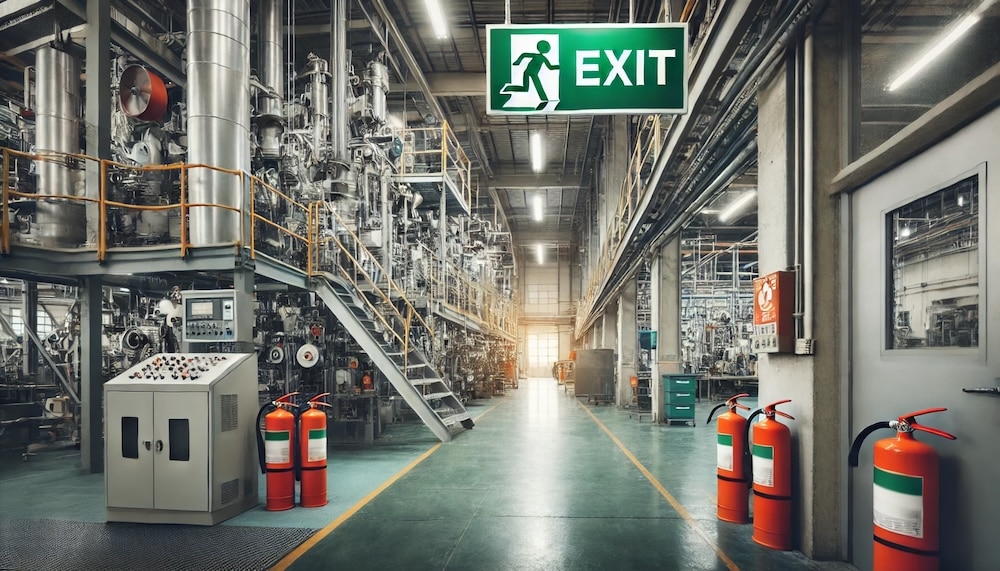
In Sweden SBA (systematic fire protection) is not only a legal obligation, but also critical for protecting lives and properties, and ensuring the operation of your business. Various roles are involved in systematic fire protection work, with different responsibilities. This requires coordination and clear procedures that can be streamlined with a more digital process.
Systematic fire protection work (SBA) is fundamental for safe and sustainable operations. To ensure adequate fire protection, regardless of the size and activities of the organisation, methodical and continuous work is required. For an industrial company, which often needs to deal with different risk classes in its fire protection work, this is often perceived as particularly complex and challenging.
The SBA is an obligation for all businesses, and a shared responsibility
All businesses must conduct structured and documented fire protection. This responsibility includes ensuring that the fire protection is adequate and that the business is properly equipped to implement reasonable technical and organisational measures.
A clear allocation of responsibilities is critical for the systematic fire protection work to be effective. Everyone has to know their role and responsibilities in the process. The management always has the ultimate responsibility for implementing and complying with SBA, while fire safety officers and security officers are generally responsible for operational management. Safety representatives and other personnel who contribute to daily compliance and deviation reporting also have important roles.
3 key elements in your systematic fire protection operations
Fire safety is a legal obligation and must therefore be integrated as a natural part of daily operations. There are three fundamental elements to ensuring good compliance and awareness within the organisation:
1. Self-checks and rounds
Self-checks and inspection rounds are essential within SBA. To ensure that fire protection is always up to date, this work needs to be carried out regularly. This includes, among other things:
- Ensuring that evacuation plans and signs are in the right places and are correctly updated.
- Functional testing of fire protection equipment such as fire extinguishers and sprinkler systems.
- Reviewing fire compartment divisions and closing mechanisms in fire doors.
- Check flammable materials and ensure that the business complies with the procedures that are applicable for handling.
The documentation for self-inspection activities must be clear and kept in a secure, preferably digitally, and easily accessible manner. Comprehensive and accurate documentation is crucial to ensuring compliance. Checklists tailored to the specific needs of your business can provide valuable support in this work.
2. Education and training
Education and training are another critical part of the systematic fire protection work, with the aim to:
- Provide your staff with knowledge about how fire protection equipment works and should be used.
- Train and prepare staff on how to respond to a fire alarm.
- Practice evacuation procedures regularly.
A culture of continuous learning and awareness of fire safety, procedures and responsibilities within the organisation contributes to better readiness should something happen.
3. The management´s responsibility
Management’s responsibilities include regularly monitoring and evaluating the systematic fire protection work:
- Appoint responsible persons and ensure that they have sufficient resources.
- Review the documentation to identify any weaknesses.
- Update procedures as needed.
Clear procedures and processes, together with well-structured self-checks, training and follow-up, are essential. This enables management not only to ensure compliance, but also to limit the risk of serious incidents in the business.
Benefits of digitising
An increasing number of organisations, particularly within industry, view digitalisation as a means of streamlining, improving the quality of, and coordinating systematic fire protection work. A digital process for systematic fire protection work reduces the risk of errors and makes the process less dependent on individuals.
Digitising the SBA process using a property management system provides several advantages for planning and implementation as well as documentation and follow-up. Some examples are digital checklists and automated reminders, ensuring that no steps or self-checks are missed. With SBA being integrated into the property management system, information is available in one place, in real time, simultaneously for everyone involved.
A platform such as Pythagoras enables you to plan recurring tasks in a convenient manner. You can get a comprehensive overview of all checks performed, through reports and key figures. A visual interface linked to the property’s drawings also makes it easier to perform self-checks and inspection rounds on an ongoing basis. With a more digital and automated process for SBA, you save both time and resources while improving the quality of fire safety work in your business.
How do you ensure a proper operation of SBA in your business? Pythagoras offers smart digital features specifically designed to facilitate compliance as well as planning, monitoring, implementation, and follow-up of self-checks and inspection rounds.
Read more about the module for systematic fire protection in Pythagoras here.


