In the energy sector, new EU regulations, Swedish legislation, and stricter reporting requirements are being introduced in rapid succession. Tighter demands for energy savings, solar installations, and the renovation of the poorest-performing facilities, as well as requirements for so-called zero-emission buildings, are creating an entirely new playing field for municipal property management.
The new laws and regulations being rolled out in the coming years will bring major changes and entirely new conditions for climate and energy initiatives within the property sector. This means that property managers in municipalities and regions already need to prepare to meet the new requirements, ensure that established environmental goals can be achieved, and avoid penalty fees.
Revised directives and new regulations to keep track of
The EU’s revised Energy Performance of Buildings Directive (EPBD) introduces new energy and emission requirements for buildings. Under the directive, all newly constructed publicly owned buildings must, as of 2028, meet the conditions for so-called zero-emission buildings (ZEB). This means that the building must have very low energy consumption, be powered by a high share of renewable energy, and contain no on-site fossil fuels.
The Minimum Energy Performance Standards (MEPS), introduced at the same time, require that at least 16 percent of the poorest-performing public buildings be made more energy efficient by 2030, and 26 percent by 2033.
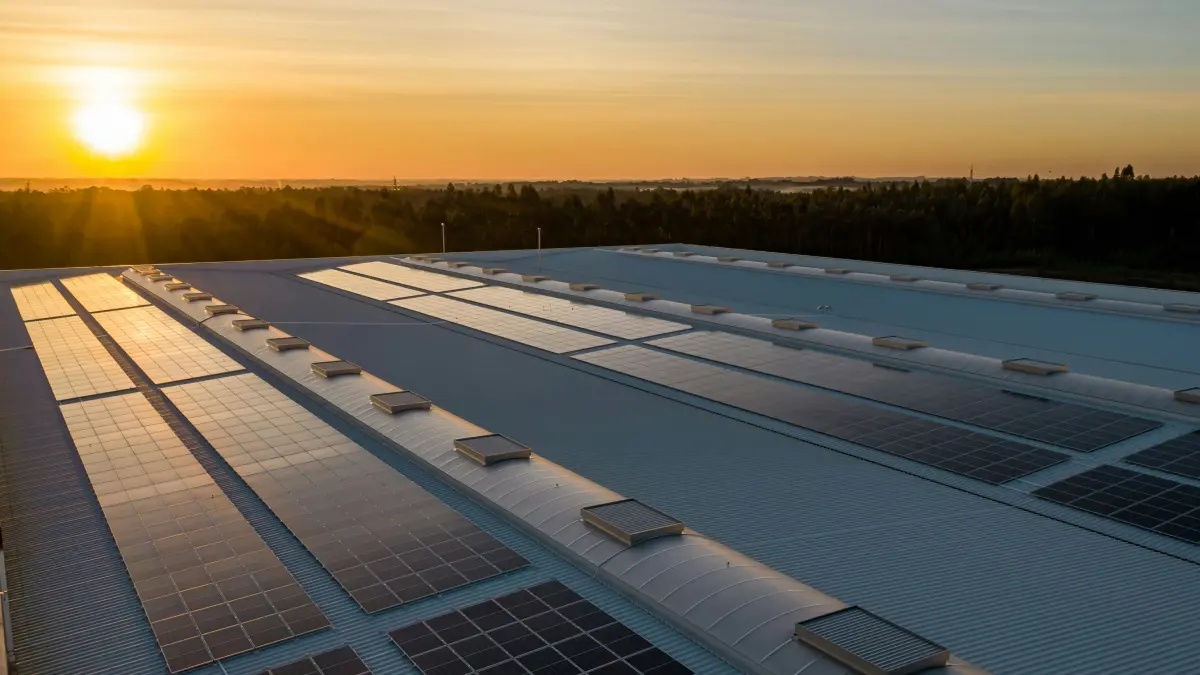
The EPBD also requires the installation of solar panels on new and certain existing public buildings, according to fixed timelines.
The Swedish National Board of Housing, Building and Planning (Boverket) has been tasked by the government to propose how the revised directive should be implemented, and thereby how the EPBD can become part of Swedish legislation, no later than May 29, 2026. The proposals include, among other things, methods and definitions as well as the implementation of requirements related to solar energy. Guidelines on how the new regulations should be applied will be published when the rules enter into force.
Through a binding target of 1.9% annual energy savings, the Energy Efficiency Directive (EED) also tightens energy requirements for the public sector. In addition, it introduces an obligation to take energy efficiency into account in public procurement.
In parallel, Boverket’s regulations on climate declarations for buildings apply, as well as the EU’s sustainability reporting (CSRD) for municipally owned property companies that meet the size requirements.
This entails a series of changes that require both the right system support and organizational adaptation. To maintain momentum, now is the time to review the conditions in your organization in order to set a timeline and budget, and to carry out the necessary procurements and project planning.
6 important steps along the way
To support you along the way, we have put together a number of concrete action points:
- Clearly define responsibilities and mandate
Appoint a person responsible for driving and coordinating EPBD/EED matters within your property organization. Work to ensure that the necessary political decisions are made, providing access to resources and a mandate to drive change. - Assess the energy performance of your portfolio
Update all energy performance certificates and collect measurement data at the property level. Identify buildings at risk of being subject to MEPS and plan appropriate measures. - Plan for solar energy
Carry out a portfolio-wide mapping of roof and façade surfaces. Evaluate the potential and create a plan. Prioritize buildings with the shortest payback period and the highest visibility. - Introduce an energy management system
Implement ISO 50001 or an equivalent standard to create better conditions for systematically achieving the annual 1.9 percent target and ensuring continuous improvements. - Adapt procurement
Include requirements for energy efficiency, the use of renewable energy, and climate calculations in all procurements of construction projects and facility management contracts. - Prepare system support and processes
Ensure data collection, data quality, and clear allocation of responsibilities by establishing efficient processes and workflows, along with tailored system support to secure regulatory compliance and reporting in line with CSRD (Corporate Sustainability Reporting Directive) / ESRS (European Sustainability Reporting Standards) and the EU Taxonomy.
The new regulations are not only a matter of compliance. They also present an opportunity to create more long-term sustainable, cost-efficient, and attractive facilities. Municipalities that act proactively can both save money and become frontrunners in their energy and sustainability efforts.
At Pythagoras, we place great emphasis on sustainability and smart energy solutions. That is why it is also important for us to provide strong digital support in the Property management system, for example to meet new requirements for energy measurement, reporting, and follow-up. Feel free to contact us to learn more.


